Unlocking Incentive Chains: How Payment Advances and Provider Networks Reshape Player Rewards
Felix Flores · Aug 13, 2026
Unlocking Incentive Chains: How Payment Advances and Provider Networks Reshape Player Rewards
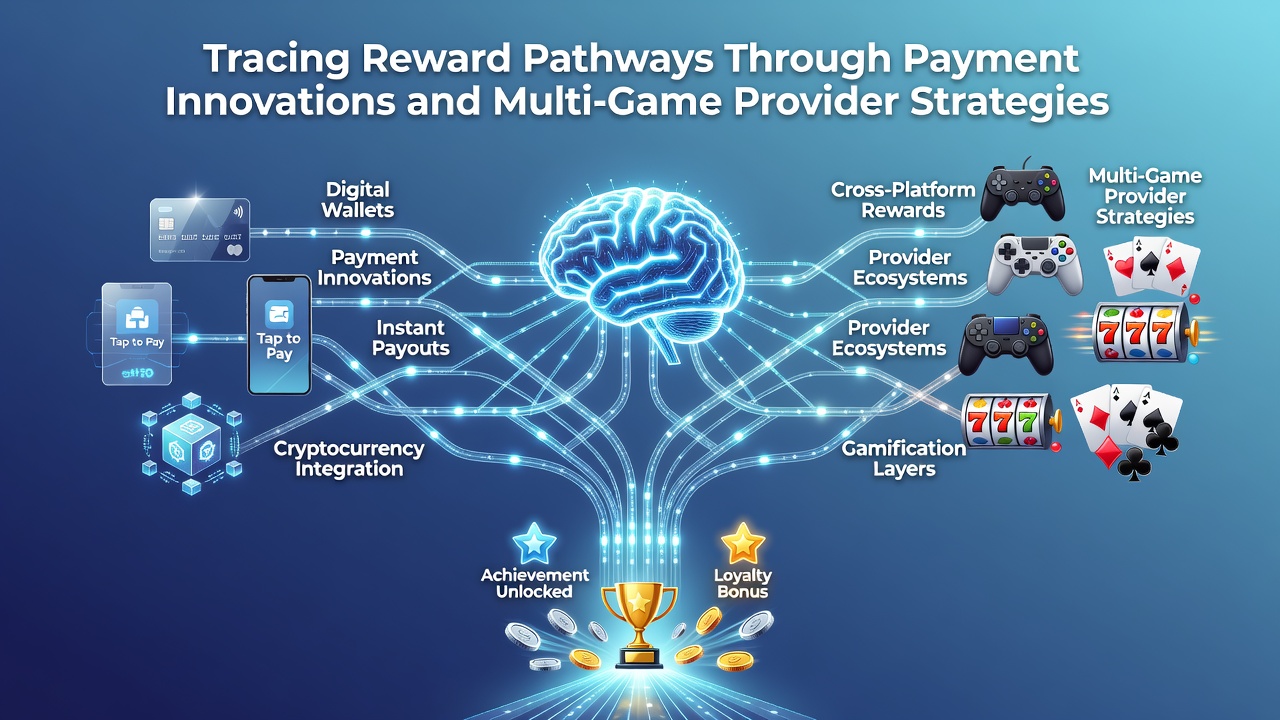
Payment systems now serve as the central thread that ties together reward structures across diverse game providers, allowing operators to deliver seamless bonus activation and progressive jackpot contributions even when players switch between studios in a single session. Data from industry reports indicate that real-time transaction processing has reduced the average time from deposit to reward credit from minutes to seconds, which in turn supports multi-provider ecosystems where a single wallet balance fuels spins on titles from various developers simultaneously. Observers note that this integration relies on standardized APIs that let payment gateways communicate directly with backend servers from companies such as Playtech and SG Digital, creating unified player profiles that track contributions toward VIP tiers regardless of the originating game provider.
Payment Gateways as Reward Conduits
Digital wallets and instant bank transfer solutions have become the primary mechanisms for routing player funds into layered reward programs, because they carry metadata that operators use to trigger specific bonuses tied to game-provider partnerships. Research from the University of Nevada's International Gaming Institute shows that platforms using open banking protocols recorded a 28 percent increase in cross-provider play volume during the first half of 2026, since players could move funds without leaving the site and immediately unlock free spins or jackpot entries offered by secondary studios. Those who've examined transaction logs find that payment innovations also enable dynamic reward scaling, where larger deposits automatically qualify users for escalated bonus percentages that apply across multiple game libraries rather than remaining confined to one provider's catalog.
August 2026 saw several major processors introduce tokenized payment rails that preserve player anonymity while still feeding accurate spend data into loyalty engines, a development that further streamlined how operators allocate rewards across partner networks. Figures from the Canadian Gaming Association reveal that tokenized systems cut reconciliation errors by 41 percent compared with legacy card processing, which means reward credits now reach player accounts with greater consistency even when funds originate from different geographic regions.
Multi-Provider Strategies and Shared Reward Pools
Operators increasingly design reward pathways that span multiple game providers by pooling contributions into shared progressive systems and cross-studio VIP ladders, a tactic that encourages prolonged engagement because players see their activity accumulate value irrespective of which developer's title they choose next. Studies conducted by the Australian Gambling Research Centre indicate that sites offering unified loyalty points across at least four distinct providers experienced average session lengths 19 percent longer than single-provider environments, since the perceived value of continued play rises when every spin advances the same reward meter. Providers achieve this by embedding common identifiers in game code that communicate deposit amounts and wager totals back to a central rewards database, allowing seamless transitions between, for example, a high-volatility slot from one studio and a live-dealer table from another without resetting progress toward bonus thresholds.
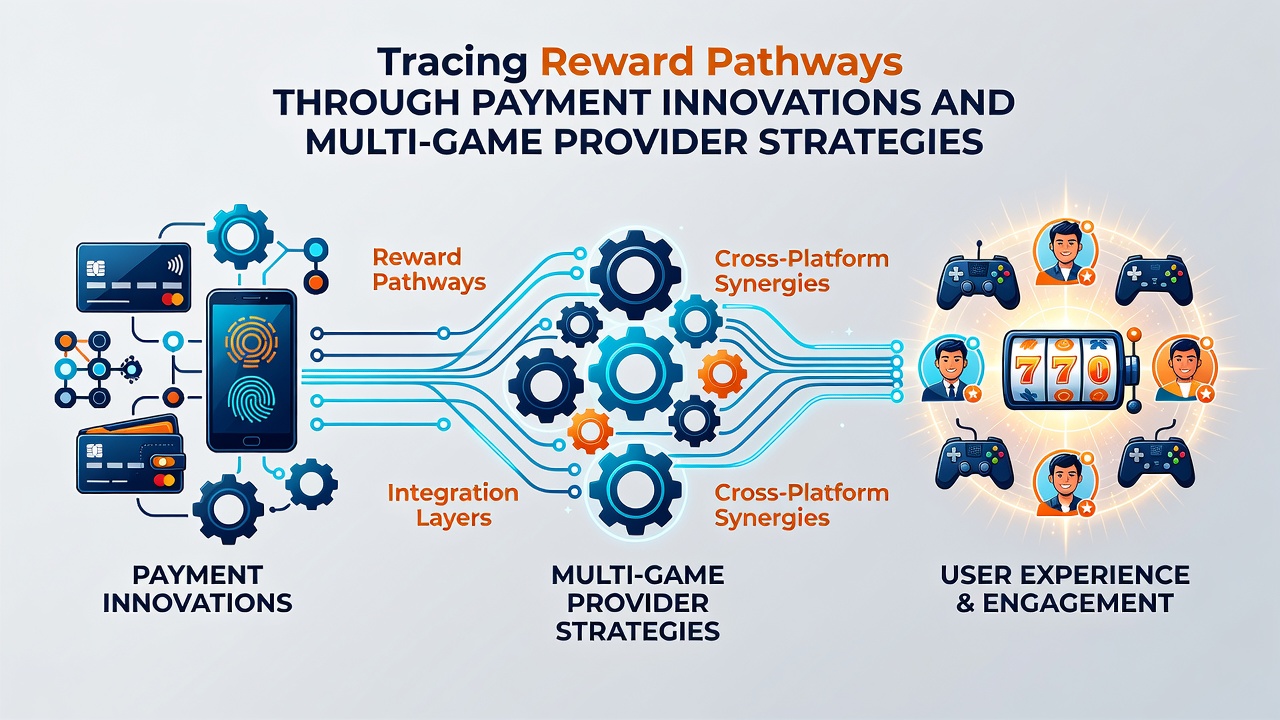
Take one operator that integrated five separate studios under a single progressive jackpot network: players depositing through any approved method automatically entered a shared prize pool whose value grew with every wager placed on participating titles, regardless of the provider. This approach relies on settlement protocols that reconcile contributions in near real time, ensuring the jackpot meter reflects activity across the entire portfolio rather than isolated games. Data shows such networks have expanded rapidly since early 2025, with participating operators reporting higher retention rates because players perceive greater opportunity when multiple providers feed the same reward structure.
Technical Infrastructure Supporting Unified Pathways
Behind these visible reward systems sit robust middleware layers that translate payment confirmations into provider-specific triggers while maintaining a single player ledger, which prevents fragmentation that once forced users to manage separate balances for each studio. Industry reports highlight that middleware solutions now handle compliance checks for responsible gaming limits at the payment stage, pausing reward eligibility automatically if a player approaches daily thresholds, yet still allowing continued play across providers once limits reset. Those who've reviewed system architectures note that this unified approach reduces duplicate data entry and supports more accurate auditing of how payment volumes translate into bonus distributions.
External audits conducted in multiple jurisdictions confirm that these integrated platforms maintain separate ledgers for each game provider during internal reconciliation, yet present players with one consolidated view of accumulated rewards, a balance that keeps the experience fluid while satisfying regulatory requirements for transparency. Payment speed directly influences reward velocity because faster settlements mean quicker crediting of loyalty points and jackpot shares, which in turn sustains momentum across provider switches.
Conclusion
The convergence of advanced payment technologies and coordinated multi-provider strategies has produced traceable reward pathways that operate across game libraries without interruption, supported by real-time data exchange and shared contribution models. Reports from regulatory bodies and academic institutions continue to document how these systems expand player options while maintaining clear records of every transaction and reward allocation. As processors and studios refine their integrations further, the pathways linking deposits to cross-provider incentives are expected to become even more direct and efficient.