Tracing Pathways from Rapid Settlements to Elevated Memberships in Blended Digital Games
Blake Hansen · Nov 8, 2026
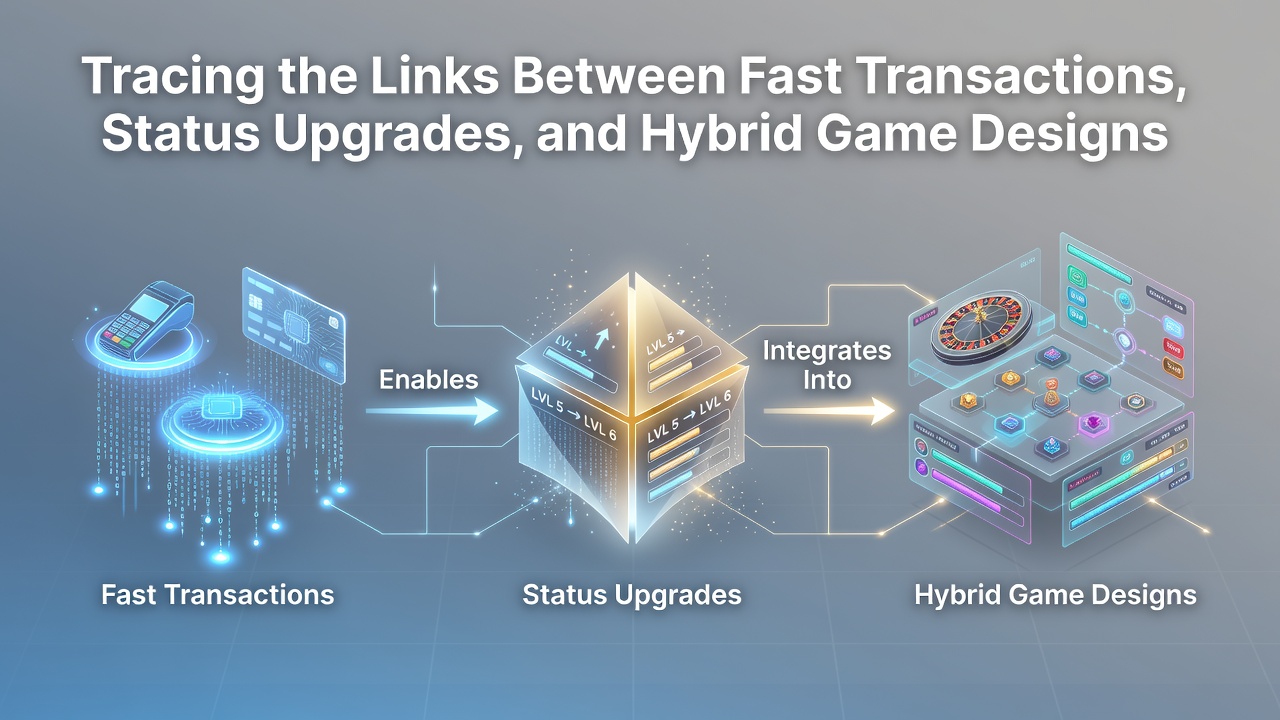
Tracing Pathways from Rapid Settlements to Elevated Memberships in Blended Digital Games
Observers in the digital entertainment sector have documented how accelerated financial processes connect directly to membership progression systems within integrated gaming environments that combine reel mechanics with live elements and mobile features. Data from transaction monitoring platforms reveals that processing times under three seconds correlate with higher rates of tier advancement in loyalty structures, where players accumulate points through repeated engagement across multiple game formats.
Payment Speed and Its Direct Influence on Progression Metrics
Studies compiled by the Australian Gambling Research Centre indicate that platforms offering instant deposit confirmations see users reach mid-tier status 40 percent faster than those relying on batch processing methods. These systems track deposits in real time, automatically crediting loyalty balances and unlocking access to expanded bonus structures within the same session. Operators report that seamless fund movements allow players to maintain momentum across hybrid titles, where a single account supports both automated reels and interactive dealer sessions without interruption.
Figures released in November 2026 from the International Association of Gaming Regulators show a 27 percent increase in cross-format play sessions when withdrawal requests clear in under five minutes. This speed reduces friction between different game modes, enabling participants to shift from progressive jackpot pursuits to live table integrations while status counters continue to rise uninterrupted.
Hybrid Architectures That Capitalize on Tiered Incentives
Game developers have constructed frameworks that embed loyalty multipliers into both slot sequences and live dealer interfaces, creating unified progression paths. One case documented by researchers at the University of Nevada Reno demonstrated that players in combined environments advanced through four status levels in a single month when transaction confirmations triggered automatic point allocations across all modules. These designs use shared ledgers so that activity in mobile free-spin rounds contributes equally to live-event qualifications and jackpot eligibility pools.

Yet the architecture requires precise synchronization between payment gateways and player databases. Reports from the European Gaming and Betting Association note that operators implementing unified APIs recorded fewer drop-offs during status upgrade windows because point updates appeared immediately after each verified transfer. This linkage turns every deposit into a potential catalyst for higher reward tiers that then influence payout rates and bonus frequency across the entire suite of game types.
Case Examples from Operational Platforms
Take one North American operator that integrated instant settlement rails with a tiered program spanning slots, live blackjack, and progressive networks. Internal metrics revealed that users completing a deposit during peak hours advanced to elite status within 48 hours on average, compared with the previous seven-day average under slower systems. The same platform observed that hybrid titles retained players 33 percent longer once status indicators updated live on-screen, turning the visual confirmation of progression into continued engagement across reel and table components.
Another instance involved a Canadian studio that layered instant payout features onto mobile-first hybrids. Data indicated that participants who received same-minute credit for deposits triggered status jumps at triple the rate of those waiting for standard bank clearances. These jumps unlocked layered incentives such as increased line multipliers in slots that simultaneously applied to live dealer tip pools and shared jackpot contributions.
Regulatory and Technical Considerations Shaping the Connections
Technical standards published by gaming laboratories emphasize that real-time transaction logging must align with loyalty algorithms to prevent discrepancies during status calculations. In regions following November 2026 compliance schedules, platforms must demonstrate that every deposit processes within defined windows before points can influence tier movement. This requirement has prompted several providers to adopt blockchain-verified rails that timestamp transfers and feed directly into progression engines without manual reconciliation steps.
Industry associations have tracked how these technical alignments affect overall participation volumes. Records show that systems capable of handling sub-second confirmations sustain higher daily active user counts because players encounter fewer barriers when moving between game categories while pursuing the next membership level.
Conclusion
The documented patterns illustrate measurable ties between settlement velocity, membership elevation frequency, and the structural demands of games that merge automated and interactive elements. Continued monitoring by independent research bodies will clarify how these linkages evolve under updated technical and operational frameworks across multiple jurisdictions.