Portable Formats Merge Live Dealer Engagements and Progressive Mechanics to Develop Structured Loyalty Systems
Felix Flores · Oct 11, 2026
Portable Formats Merge Live Dealer Engagements and Progressive Mechanics to Develop Structured Loyalty Systems
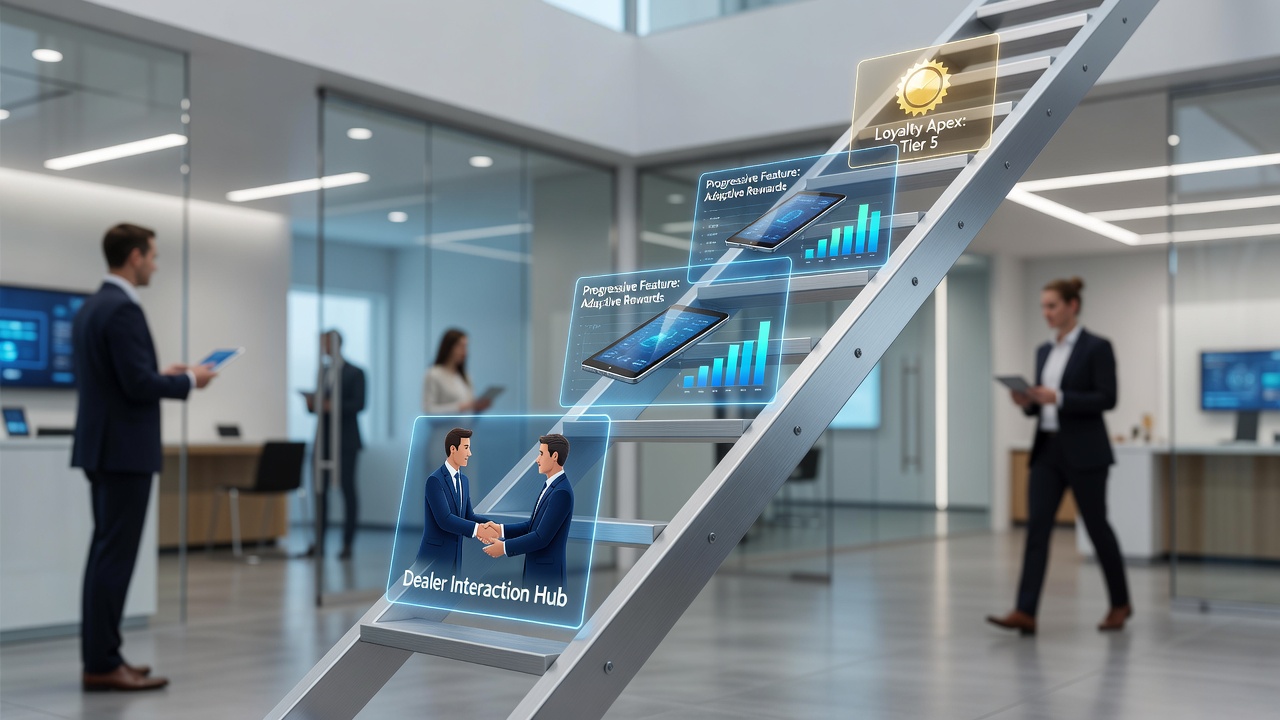
Industry reports from October 2026 highlight how mobile gaming operators combine live dealer interactions with progressive jackpot systems to construct tiered loyalty frameworks that encourage sustained player participation across portable devices. Data from multiple markets shows operators layering real-time video dealer sessions directly into slot mechanics while accumulating prize pools that scale with collective wagers, creating pathways where players advance through defined reward tiers based on engagement metrics.
Developers integrate these elements by embedding dealer chat functions and multi-player tables within the same interface as progressive counters, allowing users to switch between interactive sessions and automated reel spins without leaving the application. Figures from regional licensing bodies indicate that such fusions appear in over 60 percent of new mobile titles released in the first three quarters of 2026, with operators reporting measurable increases in session duration when both components operate simultaneously.
Technical Integration Patterns Observed in Current Deployments
Engineers achieve seamless connections through API bridges that synchronize live dealer feeds with backend progressive databases, ensuring that every bet placed in either mode contributes to shared jackpot growth. One study conducted across European and North American servers found that this synchronization reduces latency to under 200 milliseconds, maintaining uninterrupted play during transitions between dealer tables and solo progressive rounds. Observers note that operators further enhance these systems by assigning loyalty points that accumulate faster when players engage both features in sequence, such as completing a dealer round before unlocking the next progressive level.
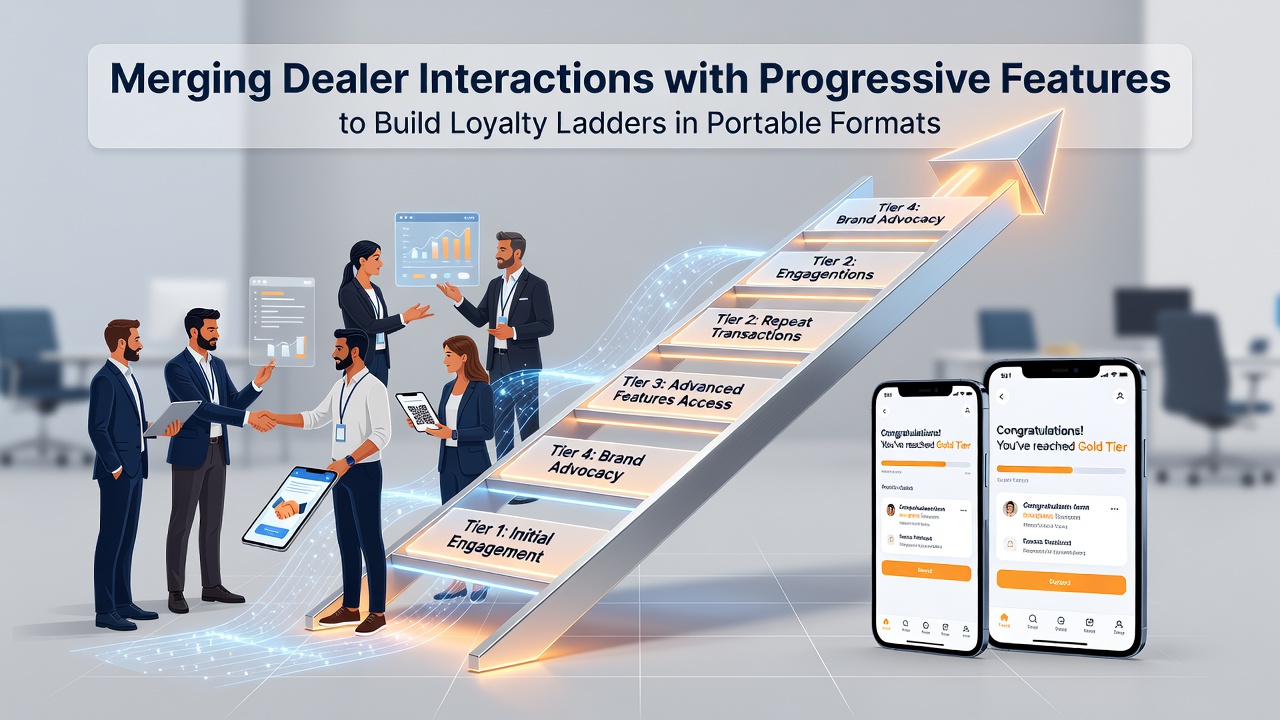
Case examples from several platforms reveal that loyalty ladders typically feature five to seven tiers, with entry thresholds tied to combined activity metrics including total wagers, dealer interaction frequency, and jackpot contributions. Players advance automatically as cumulative data reaches predefined milestones, receiving escalating benefits such as exclusive dealer tables, accelerated progressive multipliers, and personalized bonus triggers delivered through the mobile interface.
Player Progression Mechanics and Retention Data
Analytics platforms tracking user behavior across 2026 deployments show that participants who interact with both dealer elements and progressive features reach higher loyalty tiers at rates 35 percent above those using single-mode play. Retention statistics compiled by independent research groups indicate average session counts increase when portable applications display real-time progress bars that reflect contributions from both live and automated gameplay. These bars update continuously, providing visible feedback that encourages continued participation without requiring separate navigation.
Regulatory frameworks outside the United Kingdom, including guidelines from the National Council on Problem Gambling in the United States, emphasize transparent display of how wagers feed both dealer rewards and progressive pools. Similar standards from Australian state commissions require operators to disclose tier advancement criteria clearly within mobile interfaces, ensuring players understand the pathways available. Data collected through these oversight mechanisms shows consistent application across compliant platforms, with operators adjusting parameters quarterly based on aggregated user data.
Cross-Regional Implementation Trends
Markets in Canada and parts of the European Union demonstrate parallel adoption patterns, where operators adapt the same core architecture to local licensing conditions. Research from university-affiliated gaming labs indicates that mobile formats benefit particularly from this approach because smaller screen real estate favors consolidated features over separate applications. Progressive meters appear alongside dealer video windows, with touch controls allowing players to place side bets or activate loyalty multipliers during live segments.
One documented deployment in a North American jurisdiction recorded a 28 percent rise in tier advancement completions after introducing shared progressive pools that draw from both dealer and slot activity. Similar outcomes appear in reports covering Australian operators, where portable loyalty systems now incorporate seasonal events that temporarily boost progression rates for combined interactions. These events run for fixed periods and reset metrics at the conclusion, prompting renewed engagement cycles.
Future Development Indicators for Late 2026
Industry associations project continued refinement of these merged systems through the remainder of 2026, with emphasis on personalization algorithms that adjust loyalty ladder difficulty according to individual play histories. Technical updates scheduled for October 2026 include enhanced biometric verification layers that streamline access to higher tiers while maintaining compliance with regional data protection rules. Figures from trade publications reveal that operators investing in these portable integrations allocate approximately 15 percent of development budgets toward cross-feature synchronization tools.
Conclusion
Current deployments demonstrate that merging dealer interactions with progressive features produces measurable effects on loyalty ladder construction within portable formats. Data across multiple jurisdictions supports the effectiveness of synchronized systems in driving tier progression, while regulatory oversight ensures transparent communication of advancement rules. As operators continue refining these integrations through late 2026, the architecture remains centered on unified interfaces that connect live elements and accumulating rewards without fragmenting the mobile experience.